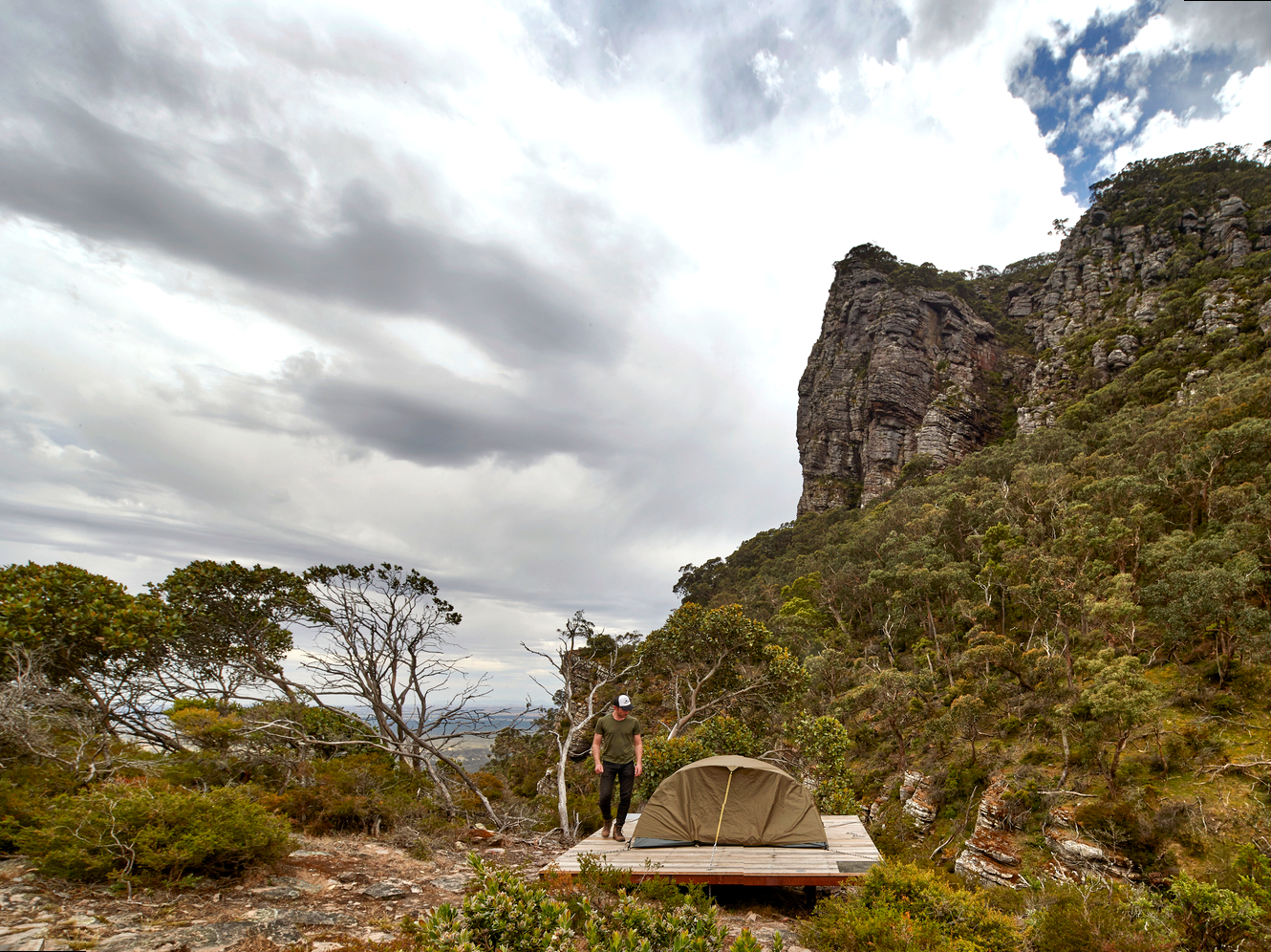
The Grampians Peak Trail is an exhilarating experience for outdoor enthusiasts, located in one of Australia’s most stunning national parks. This hiking trail spans approximately 160 kilometers, showcasing breathtaking landscapes, diverse wildlife, and the rich cultural heritage of the region. It offers the perfect blend of challenge and beauty, making it an ideal choice for both seasoned hikers and adventurous beginners. With various entry points and difficulty levels, the Grampians Peak Trail invites you to explore its stunning features while pushing your limits. Lace up your hiking boots, pack your gear, and get ready for an adventure of a lifetime!

What to Expect on the Grampians Peak Trail
The Grampians Peak Trail offers a range of experiences that vary according to the section you choose to hike. Expect steep ascents, breathtaking vistas, and, at times, challenging terrain that will test your physical limits. Along the way, hikers will encounter a variety of ecosystems, from lush forests to rocky outcrops, which serve as habitats for wildlife such as kangaroos, koalas, and an array of bird species. The well-marked paths, combined with panoramic lookouts, enhance the hiking experience, providing stunning views of the Grampians’ rugged mountains and valleys.
Trail Sections
This magnificent trail is divided into different sections, each offering unique scenery and challenges:
- Mount Stapylton: This section features towering cliffs and offers dramatic views over the Wimmera plains.
- Pinnacle Lookout: A popular spot for both photographers and hikers, it provides a stunning view of the surrounding landscape.
- Mount Victory: Known for its diverse plant life, this part of the trail showcases the beautiful flora of the Grampians.
- Mount Rosea: This section is famed for its breathtaking sunsets, which make the hike worthwhile.
- Mount William: As the highest peak, it offers some of the most challenging tracks, rewarding hikers with expansive vistas.
These varied sections allow you to choose your adventure based on your skill level and the time you have available.
Preparation and Safety Tips
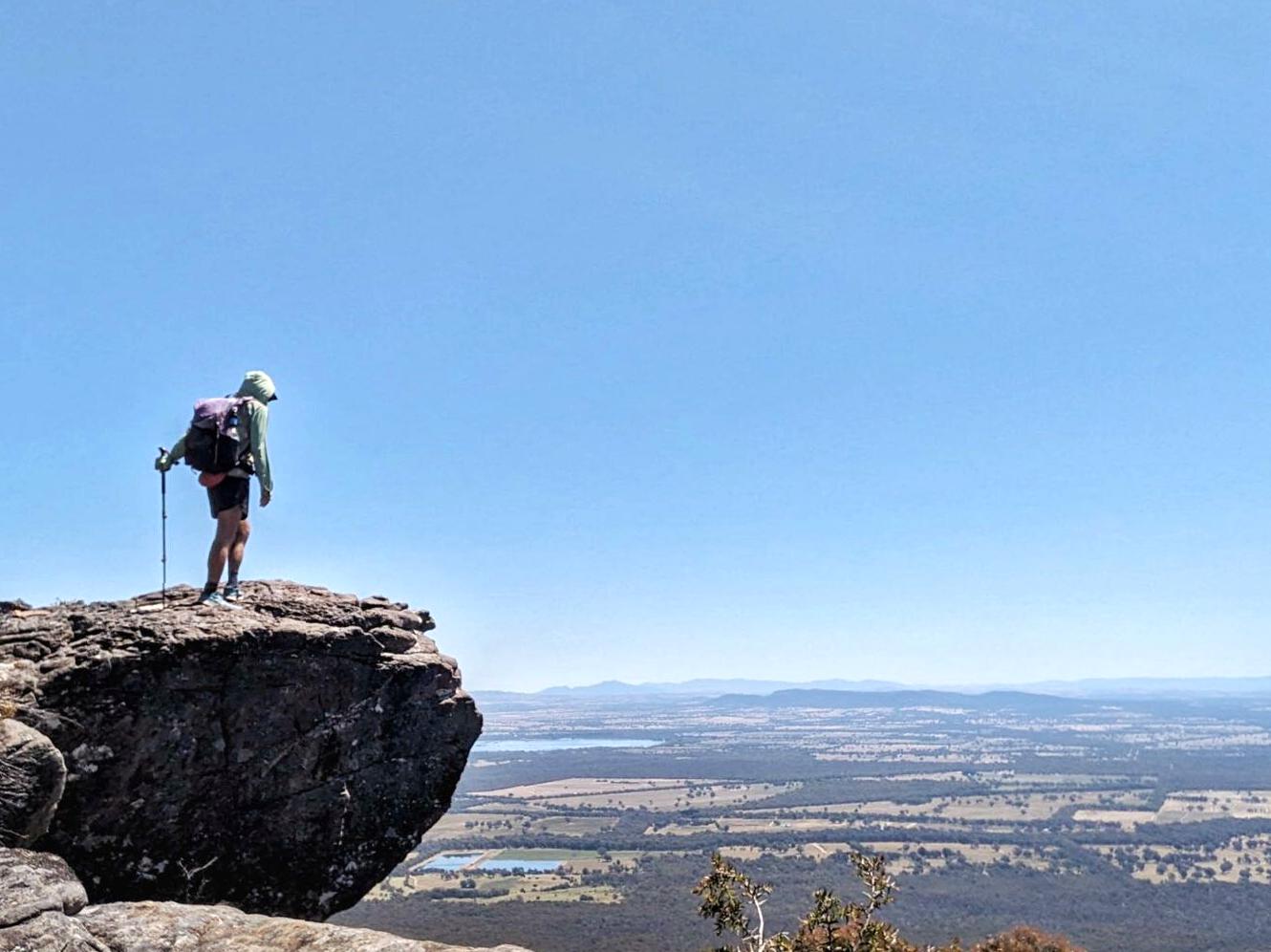
Preparing for the Grampians Peak Trail is essential for an enjoyable adventure. Start by researching the sections you plan to hike and ensure you are equipped with appropriate gear, including sturdy hiking boots, weather-resistant clothing, and plenty of water. A reliable map or GPS device can be invaluable, as some areas may lack phone reception. Also, check weather conditions before your hike, as they can change rapidly in the Grampians. It’s always wise to inform someone of your hiking plan and estimated return time. Lastly, consider hiking with a partner to enhance safety and enjoyment.
Cultural Significance
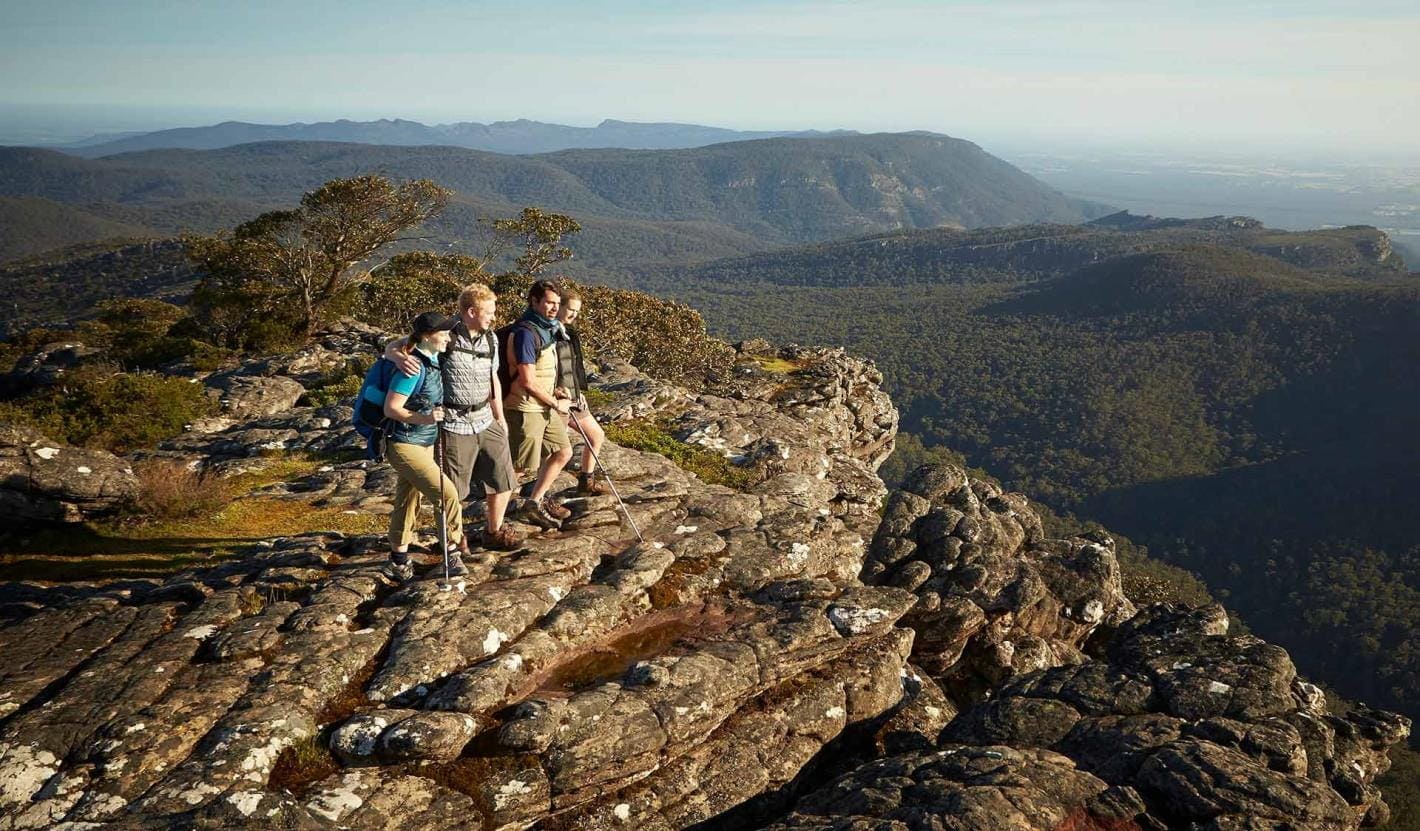
The Grampians Peak Trail is not just a feast for the eyes; it is also steeped in cultural heritage. This region is home to the Gunditjmara and Djab Wurrung people, who have inhabited the area for thousands of years. Rock art sites and cultural markers dot the landscape, telling stories of the Aboriginal community. Engaging with the land and understanding its significance to the Indigenous people adds depth to your hiking experience. Several guided tours are available, providing insights into the history and traditions of the First Nations people, which enriches your journey through this magnificent area.

Conclusion
In conclusion, the Grampians Peak Trail presents an incredible opportunity to immerse yourself in nature while challenging your physical limits. With diverse landscapes, rich wildlife, and cultural significance, this trail offers an experience like no other. Whether you’re a novice or an experienced hiker, the Grampians Peak Trail promises adventure, breathtaking views, and a memorable outdoor journey. So pack your backpack and set forth on this exciting challenge; the stunning vistas and the sense of accomplishment await you at every turn!
FAQs
1. How long does it take to complete the Grampians Peak Trail?
The entire trail spans approximately 160 kilometers and can take anywhere from 4 to 7 days to complete, depending on your pace and the sections you choose to hike.
2. Are there any accommodations available along the trail?
Yes, there are various accommodation options in the surrounding towns, as well as camping facilities within the Grampians National Park. Plan your stay in advance to ensure availability.
3. What is the best time of year to hike the Grampians Peak Trail?
The best time to hike the trail is during spring (September to November) and autumn (March to May), when temperatures are milder and the natural flora is at its most vibrant.
4. Do I need a permit to hike the Grampians Peak Trail?
No special permits are required to hike the trail, but park entrance fees may apply. Always check the latest regulations on the official website before your hike.
5. Can I take my pet on the Grampians Peak Trail?
Pets are not permitted on the trail to protect wildlife and their habitats. It’s important to leave pets at home to ensure a safe experience for everyone involved.