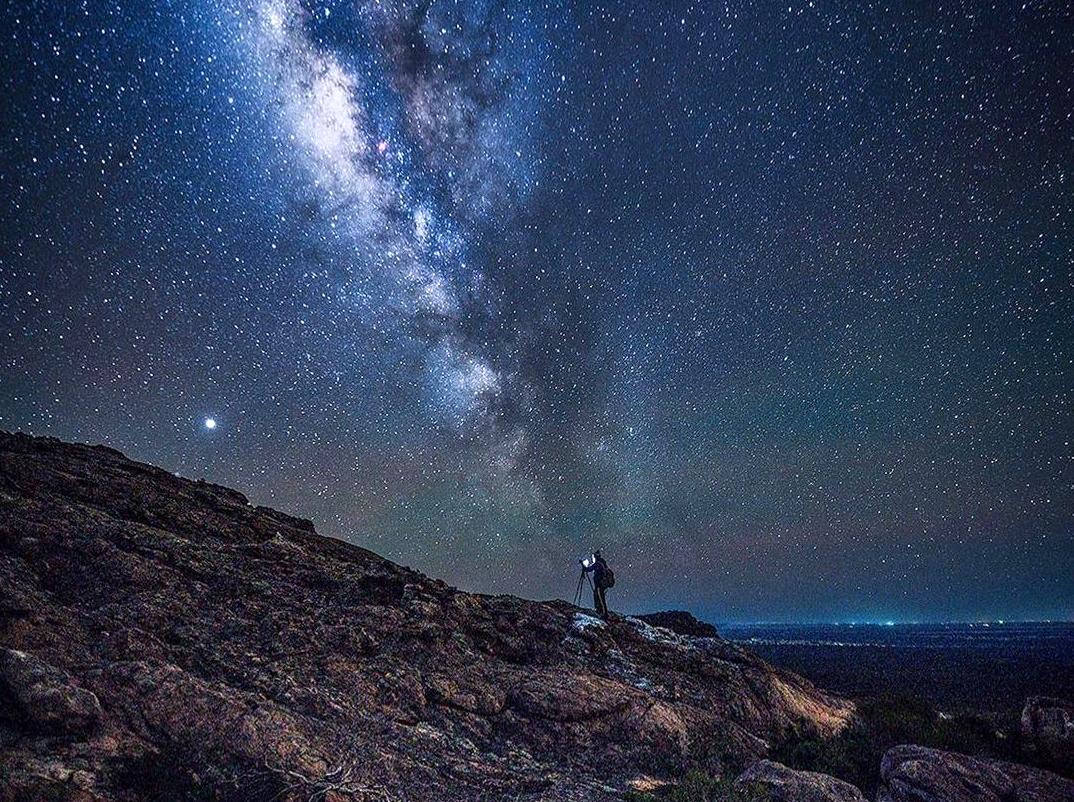
If you’ve ever gazed up at the night sky and wished to capture its beauty through your camera lens, participating in a night sky photography class is your gateway to mastering this skill. Night photography, particularly astrophotography, poses unique challenges and requires specific techniques and equipment. By enrolling in a specialized class, you gain hands-on experience, expert guidance, and an opportunity to connect with like-minded enthusiasts. This article explores the benefits of night sky photography classes, essential skills you’ll learn, equipment recommendations, and tips to elevate your nighttime photography game.

The Benefits of Taking a Night Sky Photography Class
Participating in a night sky photography class offers numerous advantages. First and foremost, it provides structured learning in an inspiring setting. Under the guidance of experienced instructors, you can quickly grasp complex concepts, from exposure settings to post-processing techniques. Secondly, these classes often convene in locations far removed from light pollution, giving you optimal conditions to learn and practice. Additionally, networking with fellow photography enthusiasts fosters a community where you can share ideas, challenges, and techniques. Finally, many classes provide access to specialized gear, allowing you to experiment with higher-end cameras and lenses you may not own.
Essential Skills You Will Learn
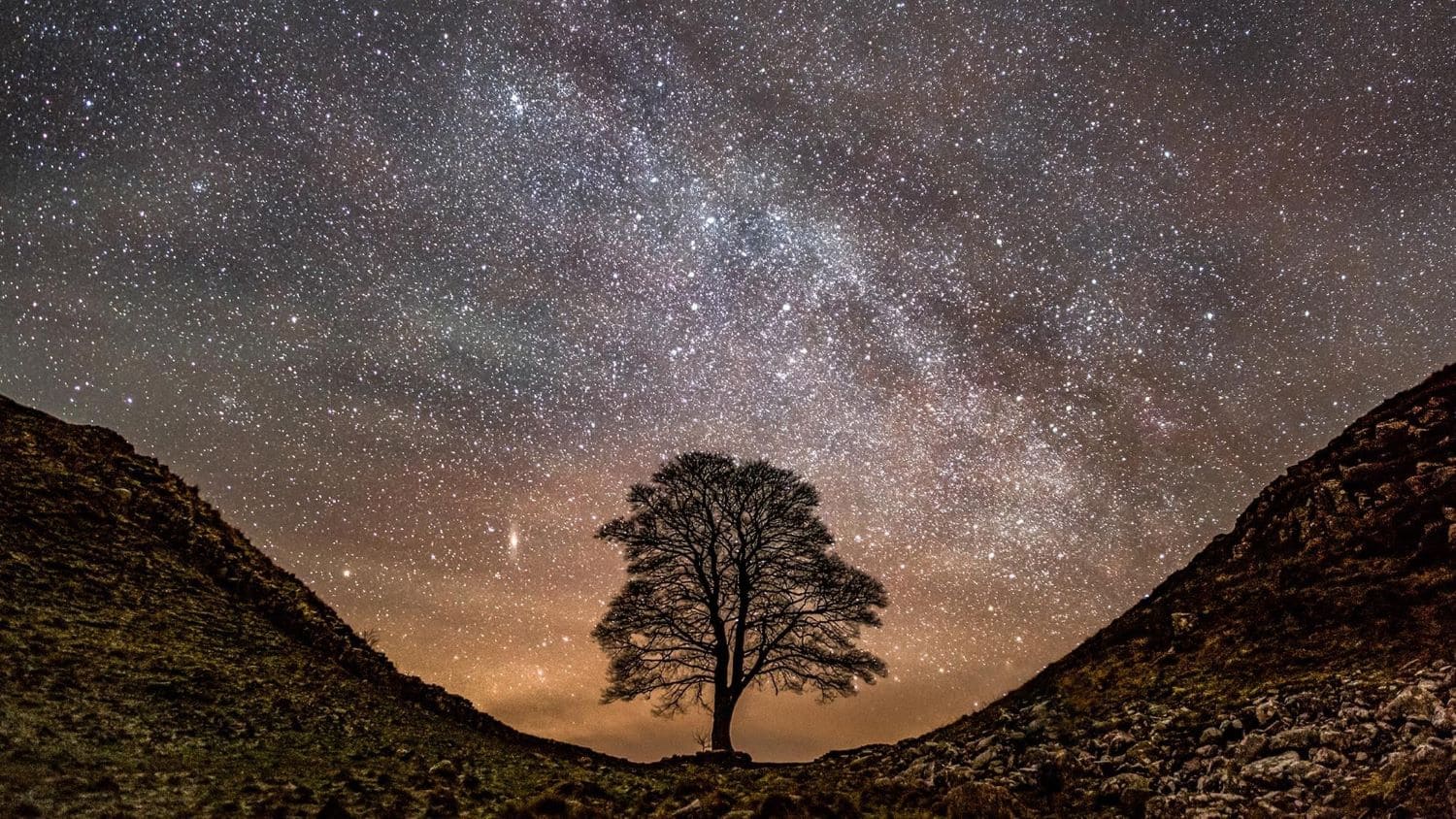
Night sky photography classes cover several crucial skills that enhance your overall photography prowess. Here are some of the most important skills you’ll acquire:
-
- Understanding Exposure Settings: Learn how to work with manual settings to balance aperture, shutter speed, and ISO for capturing star trails and the Milky Way.
- Focusing Techniques: Find out how to achieve sharp focus in low-light conditions, which is vital for clarity in your images.
- Composing Night Landscapes: Discover how to incorporate foreground elements and leading lines to add depth and interest to your compositions.
- Using Filters and Long Exposure: Gain insights into using ND filters and mastering long exposure techniques for dramatic nighttime effects.
- Post-Processing Skills: Get familiar with software like Adobe Lightroom and Photoshop to enhance your night images in the editing phase.
Recommended Equipment for Night Sky Photography
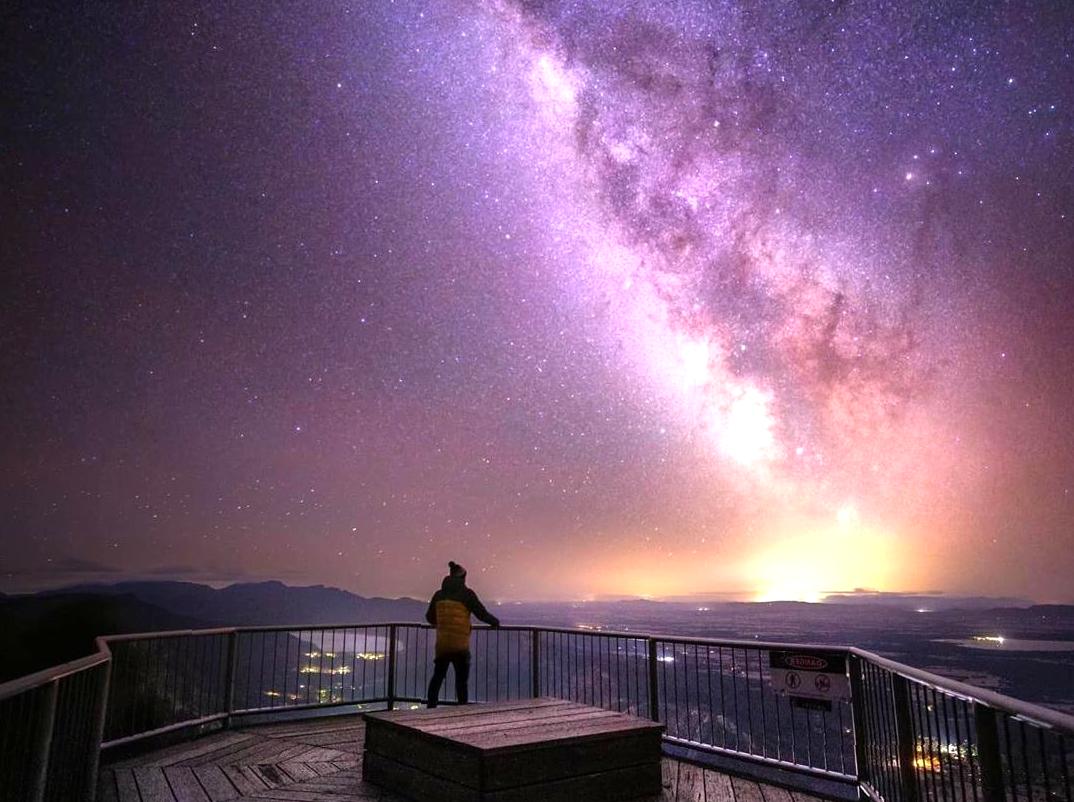
Choosing the right equipment is pivotal in night sky photography. While the best results often come from using a DSLR or mirrorless camera, entry-level cameras can still produce impressive images if paired with the right lenses and accessories. Here are some essential items you’ll want to consider investing in:
- Camera: A DSLR or mirrorless camera with manual settings. Full-frame cameras tend to perform better in low light.
- Lens: A wide-angle lens with a large aperture (f/2.8 or wider) is ideal for capturing night scenes.
- Tripod: A sturdy tripod is essential for long exposures to prevent camera shake.
- Remote Trigger: Utilizing a remote trigger can help you avoid vibration when taking a shot, ensuring sharper images.
- Star Tracker: For serious astrophotographers, investing in a star tracker offers the ability to follow celestial objects, resulting in longer exposures without trails.
Tips for Getting the Most Out of Your Class
Maximizing your experience in a night sky photography class requires an active approach. First, come prepared with your camera and any other equipment you plan to use. Familiarize yourself with your gear beforehand—knowing your camera’s settings will allow you to focus more on the creative aspects during the class. Don’t hesitate to ask questions; instructors love the engagement and can provide insights tailored to your needs. Take notes on techniques and tips shared; this can reinforce your learning post-class. Lastly, practice consistently. The more time you spend photographing the night sky, the more your skills will sharpen.

Conclusion
Enrolling in a night sky photography class is an invaluable step for any aspiring astrophotographer looking to enhance their skills. From mastering exposure settings and focusing techniques to discovering essential gear and networking with fellow enthusiasts, these classes provide a comprehensive learning experience that can elevate your photography. With patience and practice, the beauty of the cosmos can be captured and shared through your unique lens. So grab your camera, sign up for a class, and embark on a journey of exploration and creativity under the stars!
FAQs
1. Do I need extensive photography experience to join a night sky photography class?
No, most classes cater to various skill levels, from beginners to advanced photographers. Basic knowledge of photography is helpful, but it’s not a strict requirement.
2. What should I bring to a night sky photography class?
You should bring your camera, a wide-angle lens, a tripod, a remote trigger, spare batteries, and a notebook for taking notes.
3. How can I find a night sky photography class near me?
Check local photography schools, community colleges, or online platforms like Meetup and photography forums for listings of courses offered in your area.
4. Will the class focus on post-processing techniques as well?
Many night sky photography classes include an introduction to post-processing using software like Lightroom and Photoshop to enhance your images.
5. What is the best time of year to take a night sky photography class?
While many classes may be available year-round, spring and fall typically provide clearer skies and optimal viewing conditions for celestial events.